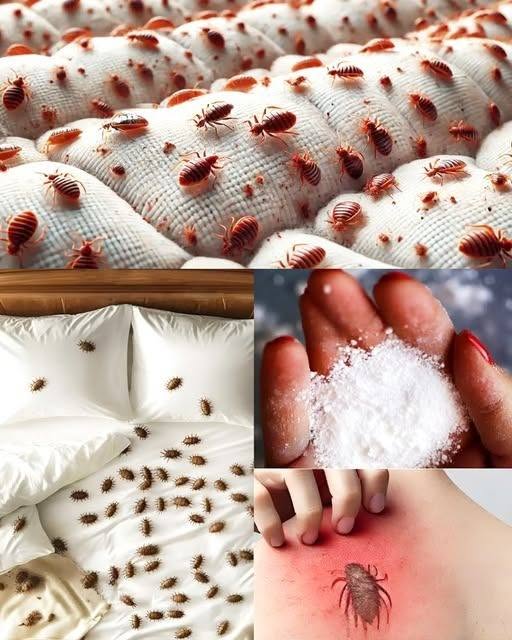
Diatomaceous earth provides another powerful natural option. This fine powder is made of fossilized microorganisms with microscopic sharp edges. When bed bugs come into contact with it, their outer protective layer is damaged, leading to dehydration. Death follows within hours or days, depending on exposure. Lightly applying food grade diatomaceous earth under beds, along baseboards, behind furniture, and near known hiding spots creates an effective barrier. Only food grade diatomaceous earth should be used, as other forms may be harmful if inhaled. Careful application prevents unnecessary dust while maintaining effectiveness.
Certain strong scents can also interfere with bed bugs’ ability to navigate and settle. Garlic and essential oils such as lavender, tea tree, and eucalyptus are known to repel these insects. A natural spray can be prepared by combining twenty-five milliliters of lavender oil, fifty milliliters of tea tree oil, and one liter of water. Shaking the mixture thoroughly before use ensures even distribution. Spraying mattresses, bed linens, furniture seams, and dark corners on a regular schedule increases its effectiveness and disrupts bed bug activity.
Laundry practices play a major role in controlling infestations. All bedding, clothing, and curtains should be washed at temperatures of at least sixty degrees Celsius. Heat effectively destroys eggs, larvae, and adult insects. Drying items on the hottest setting adds an additional layer of protection. For items that cannot be washed, sealing them in airtight plastic bags and placing them in a freezer for forty-eight hours offers an alternative. Extreme cold is lethal to bed bugs and prevents further spread.