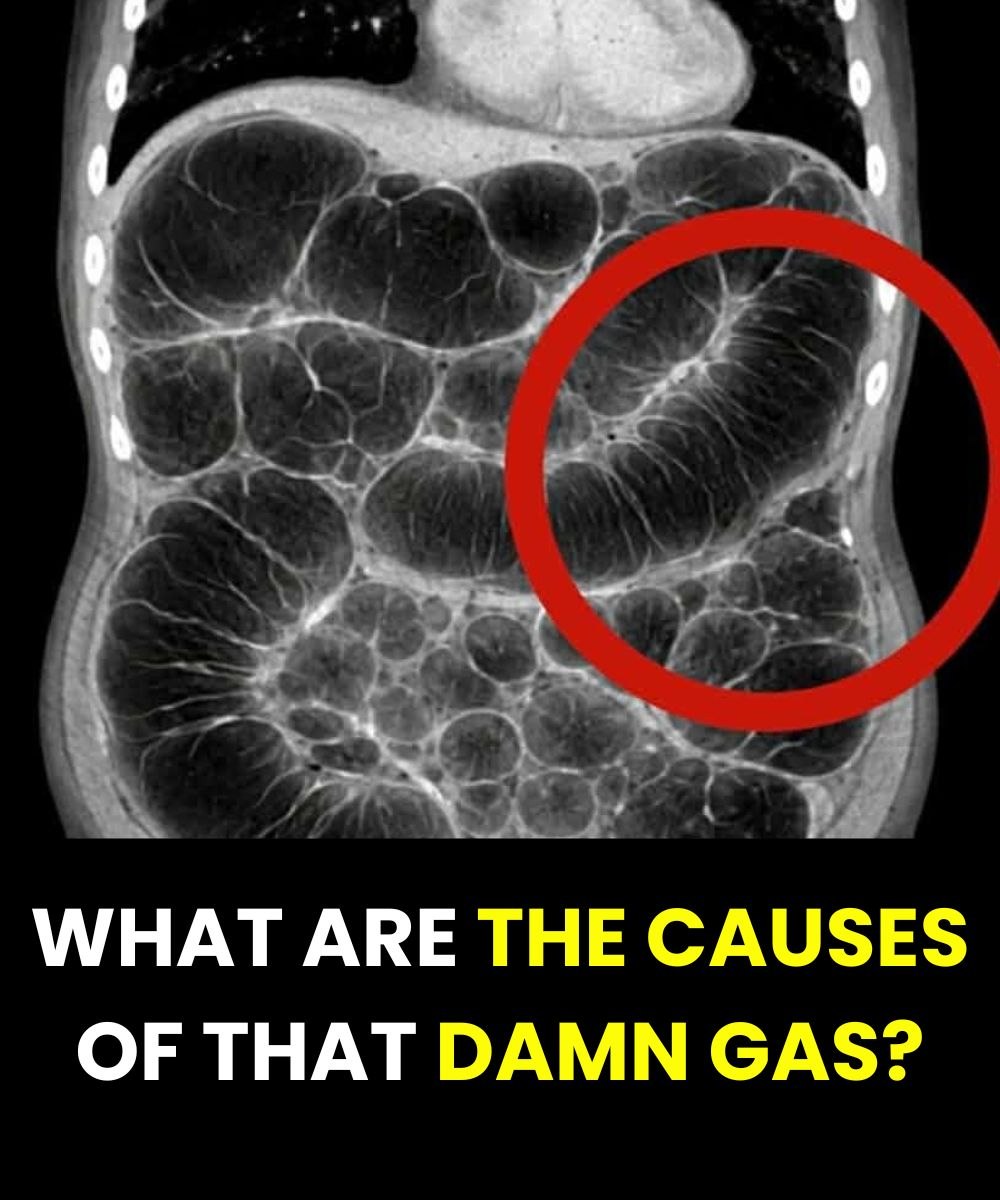
Let’s be honest—almost everyone experiences gas and bloating at some point. But when it becomes frequent, uncomfortable, or even part of your daily routine, it stops being just a “small issue” and starts becoming something that affects your confidence, comfort, and overall well-being.
That heavy, swollen feeling after eating. The tight waistband. The constant need to adjust your posture or “wait it out.” Many people assume it’s normal aging, stress, or “just something I ate.” But in reality, your digestive system might be trying to send you a clearer message.
Gas is not the problem itself—it’s a symptom.
Your digestive system is a long and complex process that involves breaking down food, absorbing nutrients, and managing bacteria in your gut. When something in that system is slightly off, gas becomes one of the most noticeable signals.
 So where does all this gas actually come from?
There are three main sources:
Swallowed air
Every time you eat quickly, talk while eating, chew gum, or drink carbonated beverages, you swallow small amounts of air. Most of it leaves the body naturally—but some can build up and cause discomfort.
Food fermentation
Certain foods—especially beans, onions, garlic, dairy, and some high-fiber vegetables—are broken down by gut bacteria. During this process, gas is produced as a natural byproduct.