
Many people go about their daily routines, enjoying common meals, only to wonder why they feel constantly tired, struggle with unexpected weight changes, or notice swelling around the neck area. The thyroid, a small butterfly-shaped gland in your neck, plays a huge role in regulating metabolism, energy levels, and overall well-being. Yet certain everyday foods can quietly interfere with how it functions — especially if consumed regularly in larger amounts.
The good news? Simple awareness and smart swaps can make a real difference. In this guide, we’ll uncover six foods that may impact thyroid health, backed by what research shows, plus practical ways to enjoy a balanced diet without feeling deprived. Keep reading to the end for surprising alternatives that support your wellness journey.
Understanding Your Thyroid and Everyday Diet Choices
Your thyroid produces hormones that influence nearly every cell in your body. When something disrupts iodine uptake or hormone production — like compounds called goitrogens found in certain plants — it can contribute to feelings of sluggishness over time. Studies suggest that while these effects are often dose-dependent and more noticeable in people with existing iodine gaps or thyroid concerns, moderation remains key for most.
The reality is, many of these foods offer great nutrition too. The trick lies in preparation methods and portion sizes. Let’s break down the six common culprits and what you can do instead.
1. Soy Products: Tofu, Soy Milk, and Edamame
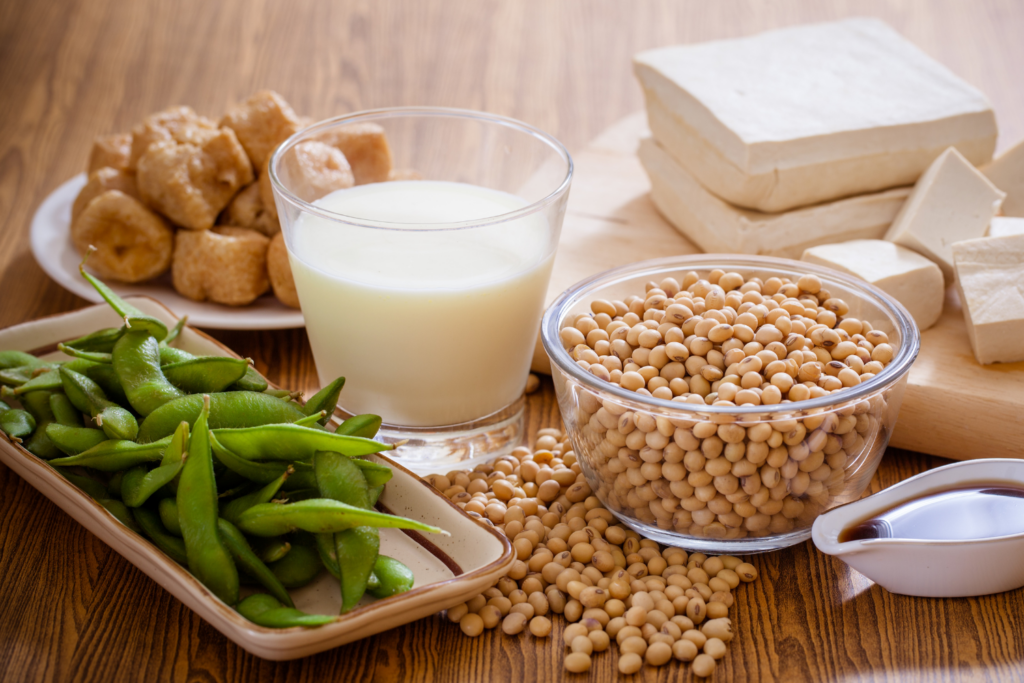
Soy contains isoflavones that, in high amounts, may interfere with thyroid hormone production or medication absorption in some individuals. Research, including reviews on people with hypothyroidism, notes potential effects especially when iodine intake is low.
Why it matters: Many processed foods hide soy ingredients, making it easy to overdo it.
Actionable tip: Limit to occasional use. If you enjoy Asian-inspired dishes, opt for fermented options like tempeh in small portions and space them away from any thyroid medication by several hours. Check labels on plant-based milks and protein bars.
2. Cruciferous Vegetables (Like Broccoli, Cabbage, and Kale)
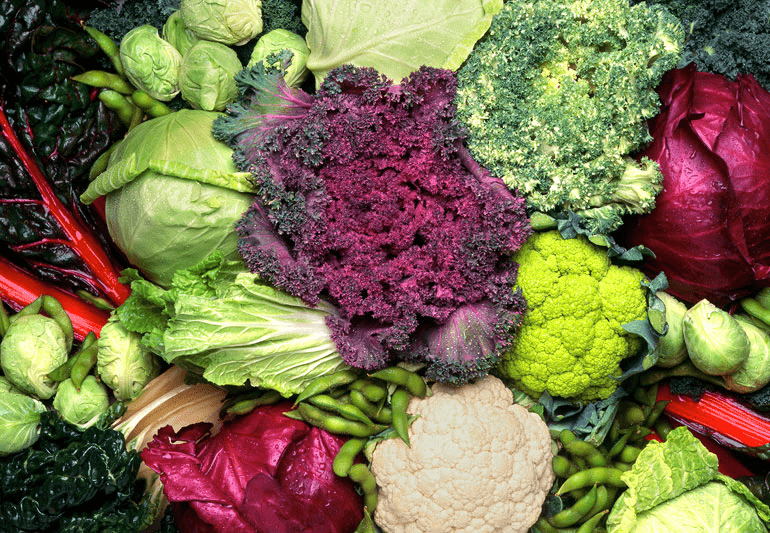
These powerhouse veggies contain goitrogens that can affect iodine processing when eaten raw and in very large quantities. Examples include broccoli, cauliflower, Brussels sprouts, cabbage, and kale.
Research shows the impact is minimal for most people who cook them and eat balanced diets. One notable case involved extreme raw consumption (over a kilogram daily), but typical servings are generally fine.
Smart swap: Steam, sauté, or roast these vegetables. Cooking significantly reduces goitrogenic activity. Aim for variety — don’t make raw kale smoothies your daily staple.