How to Store Food Correctly and Longer
Throwing away food because it has spoiled is not only a waste of money, but also of resources. Many times we believe that food lasts less than it should, but in reality the problem is in how we store it. Properly preserving the products we buy can extend their shelf life, maintain their properties and help us plan our meals better.
Knowing how to store food correctly is not complicated, but it does require paying attention to certain key details: temperature, humidity, light, type of packaging and location. With a few simple changes, you can make your food last longer, stay tastier and safer for your health.
How to Store Food Properly to Make It Last Longer
Proper storage depends on the type of food, but there are general principles you can apply to make your products last longer and maintain their freshness.
 1. Proper refrigeration: not everything goes into the fridge
Not all foods need to be cold, and placing them in the wrong place can accelerate their spoilage.
Foods that should go in the refrigerator:
- Dairy products and derivatives
- Meat, fish and cold cuts
- Leftover cooked food
- Fruits such as grapes, strawberries, and blackberries
- Leafy greens such as spinach and lettuce
Foods that should not be refrigerated:
- Potatoes (cold turns starch into sugar and affects its taste)
- Onions (cold softens and sprouts)
- Garlic (tends to mold quickly in humid environments)
- Tomatoes (lose flavor in the refrigerator)
- Fruits such as bananas, avocados, and mangoes when green
Tip: Do not overload the refrigerator. Air must circulate to maintain an even temperature.
 2. How to preserve fresh fruits and vegetables
Trick 1: Separate fruits from vegetables
Some fruits (such as apples, pears, and bananas) emit ethylene, a natural gas that speeds up ripening. If they’re near vegetables, they’ll spoil faster.
Trick 2: Use perforated or cloth
bags This allows the vegetables to breathe. Storing them in closed plastic bags generates moisture and promotes decomposition.
Trick 3: Wrap the greens in paper
Lettuce, spinach or chard last longer if you wrap them in absorbent kitchen paper in an airtight container.
Trick 4: carrots and celery in water
Cut and store in jars of cold water in the refrigerator maintains its crispness for several days.
 3. Dry food preservation
Foods such as rice, legumes, flour or cereals should be stored in airtight containers in a dry, cool and dark place.
Tips:
- Use glass or plastic jars with tight-fitting lids.
- Tag with purchase or expiration date.
- Never store dry food near the kitchen, where there is heat and steam.
 4. How to freeze correctly?
The freezer is your best ally to preserve food for longer, but it must be used correctly:
- I divided individual portions before freezing.
- Use freezer-safe bags or containers.
- Tag with the date.
- Don’t refreeze what has already been thawed.
Foods that can be frozen well:
- Bread and tortillas
- Raw or cooked meats
- Soups and broths
- Fruits (for smoothies or pastries)
- Blanched vegetables (run under boiling water and then cooled)
 5. Other practical tricks to make food last longer
- Bread: if you are not going to consume it soon, freeze it. It can be roasted straight from the freezer.
- Fresh herbs: keep in jars with water or freeze chopped with oil in ice buckets.
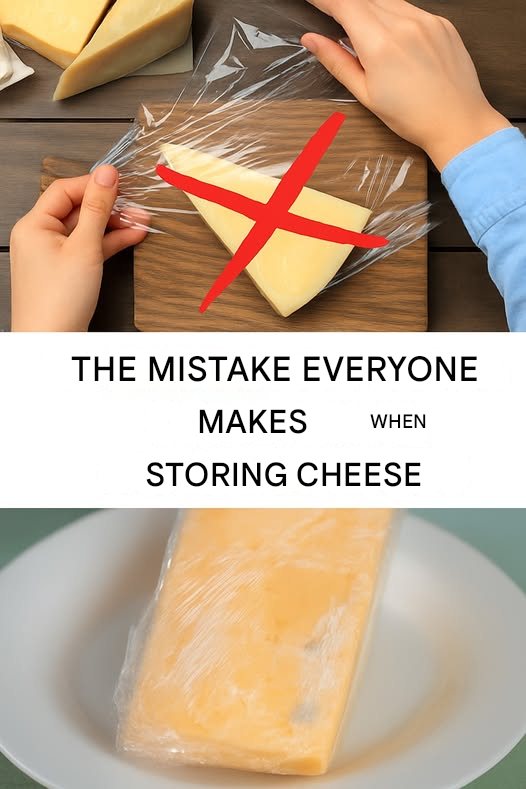
- Cheese: Wrap it in parchment paper and store it in a closed container.
- Eggs: Keep them in their original container and on the middle shelf of the refrigerator, not on the door.
- Avocado: if you only used half, leave the stone on the other half and sprinkle with lemon to prevent it from oxidizing.
Organizing your kitchen and applying these techniques will not only help you reduce food waste, but also save money and eat healthier. Remember that preserving food correctly is part of taking care of your home and your health.
 Useful tips to better preserve food
 1. Store the eggs with the tip facing down
This helps the yolk stay centered and prevents air from entering the interior quickly.
 2. Separate fruits that ripen quickly
Apples, pears, and bananas release ethylene, a gas that accelerates the ripening of other foods. Store them away from the rest to prevent everything from spoiling sooner.
 3. Preserve the cheese with kitchen paper or parchment
Plastic traps moisture and promotes mold. Wrapping it in paper and storing it in a container allows it to “breathe” without drying out.
 4. Fresh bread, best in cloth or paper bag