Possible Causes of Thyroid Problems
Several factors can contribute to thyroid disorders, including:
Iodine imbalance in the diet
Autoimmune diseases (such as Hashimoto’s thyroiditis)
Genetics or family history
Hormonal changes
Certain medications
In many cases, thyroid disorders develop slowly and may go unnoticed at first.
How Thyroid Problems Are Diagnosed
Doctors typically diagnose thyroid disorders through:
Physical examination
Blood tests measuring TSH, T3, and T4 hormones
Ultrasound imaging of the thyroid gland
These tests help determine whether the thyroid is overactive or underactive.
When to See a Doctor
If you notice several of the symptoms listed above—especially fatigue, weight changes, or neck swelling—it is important to consult a healthcare professional.
Early diagnosis allows doctors to provide treatments such as:
Hormone replacement therapy
Medication to regulate hormone production
Monitoring of thyroid nodules
Ignoring symptoms may lead to complications affecting metabolism, heart health, and overall well-being.
Conclusion
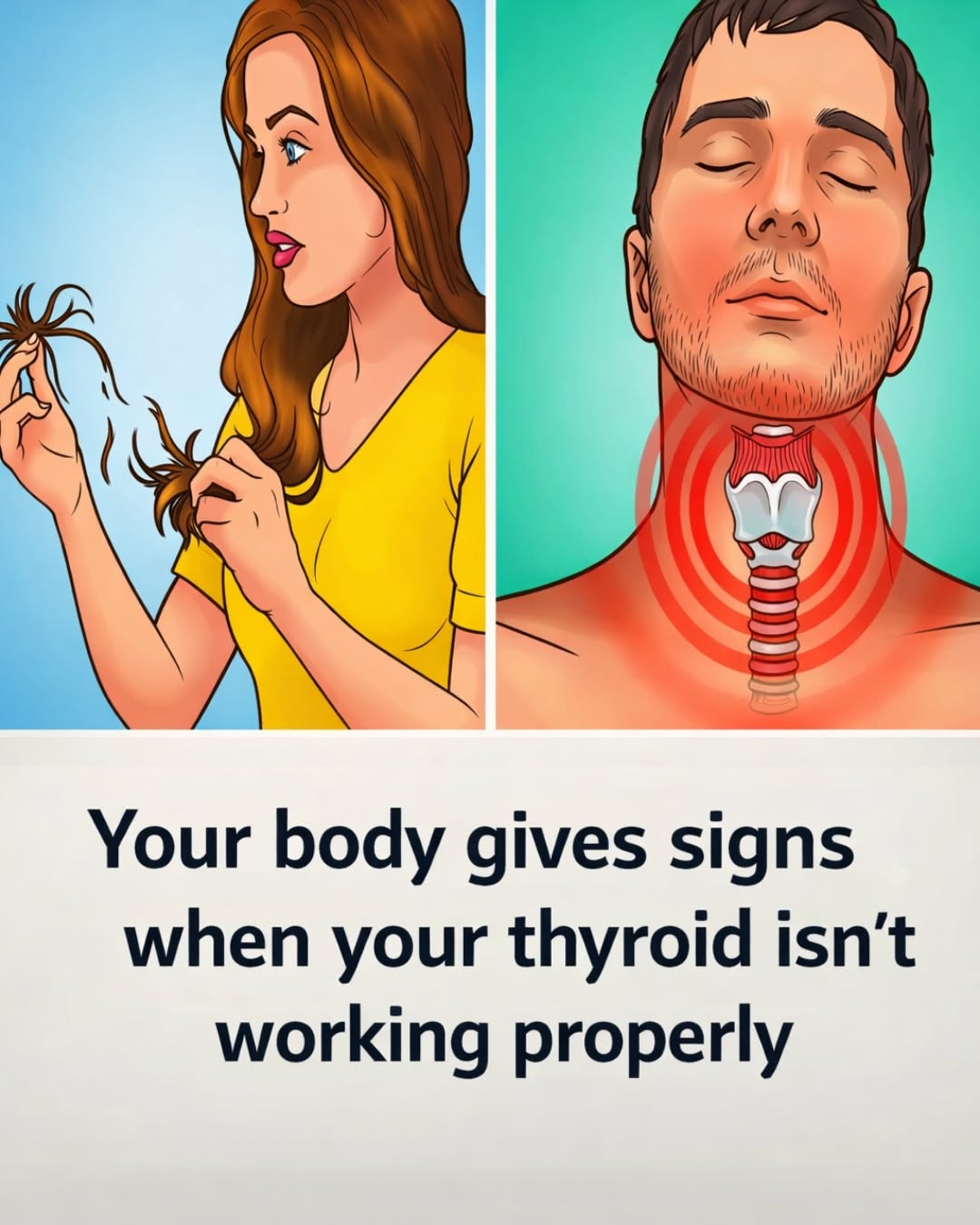
The thyroid gland plays a crucial role in regulating metabolism and maintaining hormonal balance throughout the body. When it does not function properly, the body often sends warning signals such as fatigue, weight changes, mood disturbances, digestive issues, or temperature sensitivity.
Recognizing these signs early can help individuals seek medical advice and receive appropriate treatment. Maintaining a balanced diet, managing stress, and attending regular medical check-ups can also help support thyroid health.
Understanding your body’s signals is the first step toward protecting your overall health.