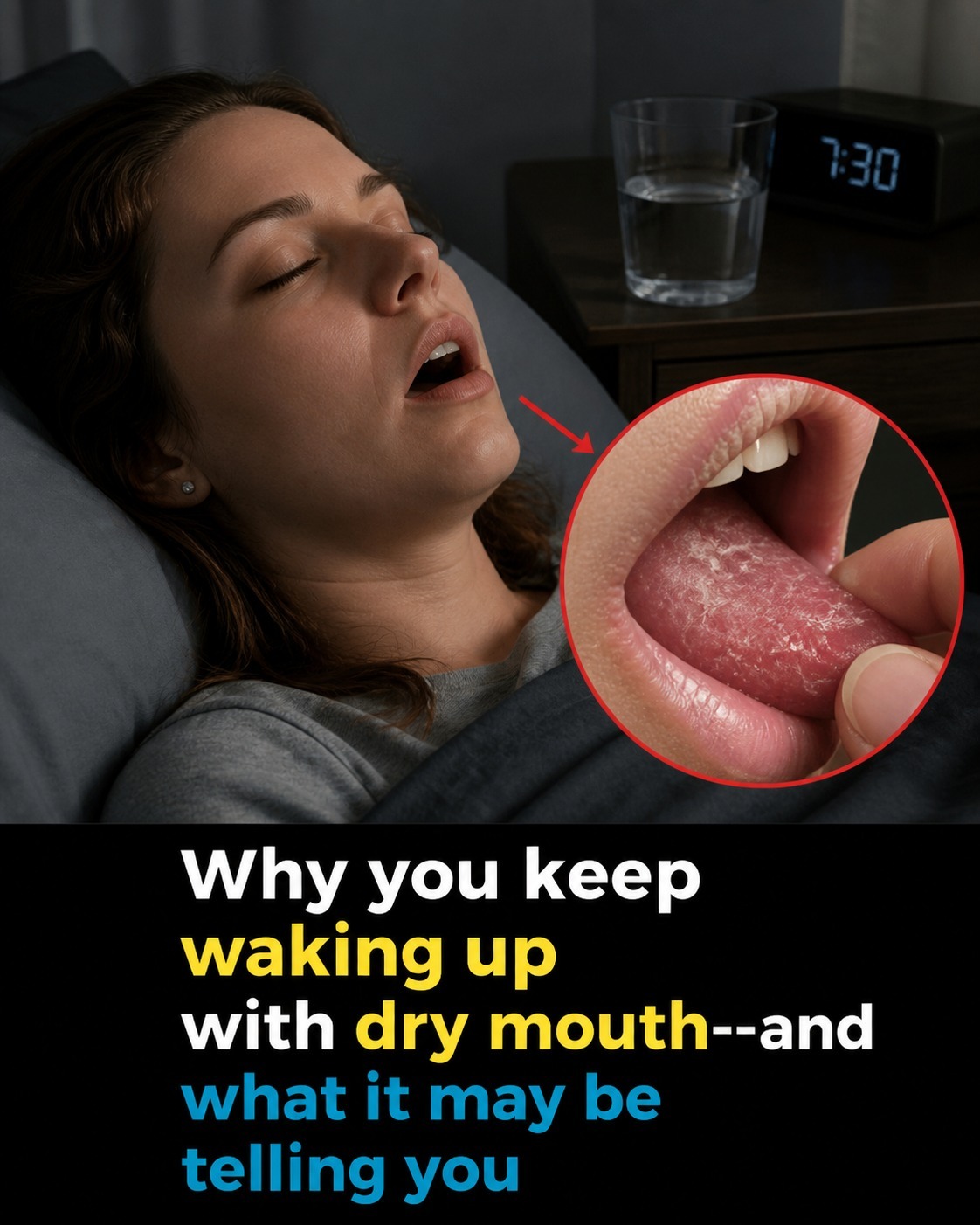
Do you also feel like a desert in your mouth when you wake up? Waking up with a dry mouth can be an uncomfortable experience for many people. The condition, known as dry mouth or xerostomia, can have various causes and impacts on oral health and overall well-being. This blog will explore the symptoms, causes, and potential treatments for morning dry mouth.
Key Takeaways:
- Key Signs of Dry Mouth – Dry mouth (xerostomia) is characterized by reduced saliva production, causing a sticky or dry feeling in the mouth, frequent thirst, difficulty speaking or swallowing, sore throat, bad breath, and cracked lips.
- Nighttime Symptoms Are Common – Many people notice dry mouth most strongly after waking up. Common symptoms include persistent thirst at night, a dry tongue, mouth discomfort, and difficulty chewing or swallowing due to insufficient saliva during sleep.
- Several Health Factors Trigger Symptoms – Dry mouth symptoms can result from dehydration, mouth breathing, certain medications, aging, diabetes, Sjögren’s syndrome, and sleep-related conditions such as snoring or sleep apnea that reduce moisture in the mouth.
- Untreated Dry Mouth Can Affect Oral Health – A lack of saliva increases the risk of cavities, bad breath, mouth sores, and gum problems because saliva helps wash away bacteria and protect teeth from decay.
- Early Management Helps Prevent Complications – Drinking more water, using a humidifier, chewing sugar-free gum, maintaining good oral hygiene, and consulting a dentist or healthcare provider for persistent symptoms can improve comfort and reduce long-term dental risks.
Symptoms of Dry Mouth
Dry mouth is characterized by a lack of saliva in the oral cavity. Some common symptoms of dry mouth include:
- A sticky or dry feeling in the mouth.
- Difficulty in chewing, swallowing, or speaking.
- A persistent sore throat.
- Frequent thirst, especially at night.
- Bad breath (halitosis).
- Cracked lips and sores in the corners of the mouth.