Airway or Blood Flow Obstructions
Blockages in the airway or blood vessels—such as blood clots, severe allergic reactions, or foreign objects—can prevent oxygen from reaching vital tissues.
Other Contributing Factors
Conditions like sleep apnea, anemia, and certain infections may also reduce oxygen delivery by affecting breathing patterns or the blood’s ability to carry oxygen.
Symptoms to Watch For
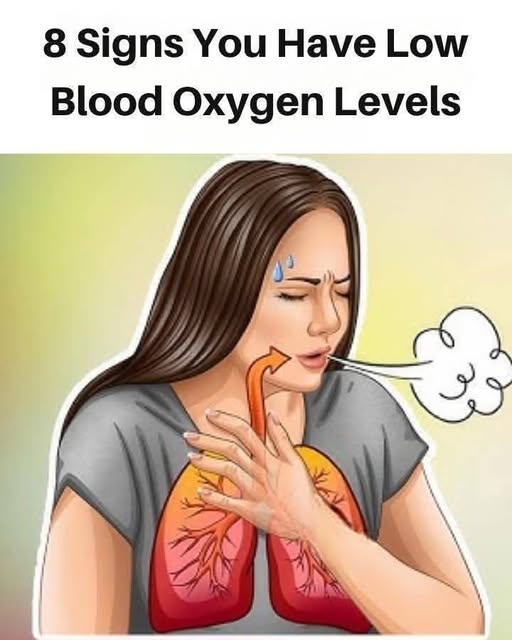
Hypoxemia can develop suddenly or progress slowly over time. Common symptoms include:
- Shortness of breath or rapid breathing
- Increased heart rate
- Headaches or lightheadedness
- Confusion or trouble concentrating
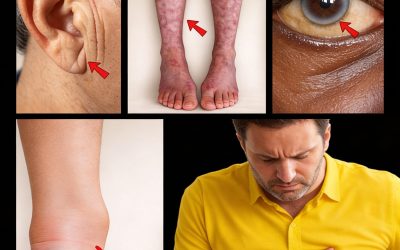
- A bluish tint to the lips, fingertips, or skin (known as cyanosis)
Some people may not notice clear symptoms until oxygen levels become dangerously low, which is why awareness and monitoring are so important.
How Hypoxemia Is Diagnosed
Healthcare providers use several methods to evaluate oxygen levels and identify underlying causes:
- Pulse Oximetry: A quick, non-invasive test that estimates oxygen saturation using a small device placed on the finger.
- Arterial Blood Gas (ABG) Test: Provides precise measurements of oxygen and carbon dioxide levels in the blood.
- Imaging Tests: Chest X-rays or CT scans can help detect lung or heart problems.
- Additional Tests: Pulmonary function tests and echocardiograms may be used for further evaluation.
Treatment Options
Treatment depends on both symptom severity and the underlying cause:
- Oxygen Therapy: Supplemental oxygen can rapidly restore safer oxygen levels.
- Medications: Drugs such as bronchodilators, anti-inflammatory medications, or heart treatments may address the root issue.
- Lifestyle Changes: Quitting smoking, improving air quality, staying physically active, and avoiding high altitudes without proper acclimation can support lung and heart health.
- Hospital Care: Severe cases may require hospitalization for close monitoring and advanced treatment.