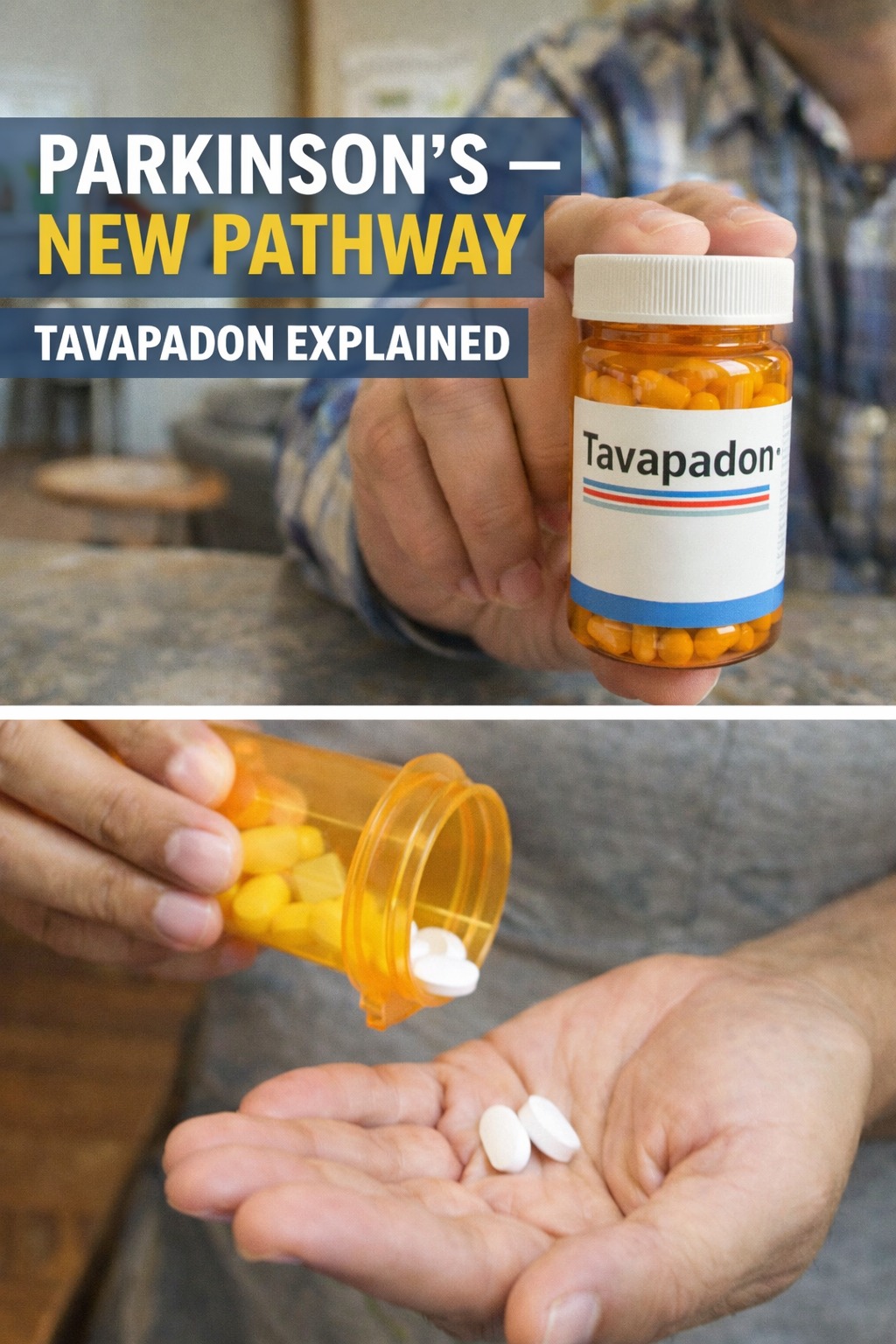
Living with Parkinson’s disease often means facing daily challenges like stiffness, tremors, and slowness of movement that make simple tasks feel overwhelming. These motor symptoms can gradually limit independence and affect quality of life for millions of people worldwide. But here’s the encouraging part: researchers have been exploring new ways to support dopamine signaling in the brain, and one promising option now under FDA review is tavapadon. In this article, we will walk through what makes this medication different, how it may fit into daily management, and practical steps to discuss with your healthcare team. Stick around to the end for an important insight that could change how you think about future options.
The Challenge of Traditional Parkinson’s Medications
Parkinson’s disease develops when dopamine-producing cells in the brain decline, disrupting the smooth control of movement. For years, levodopa has been a cornerstone because it helps replenish dopamine levels. Many people also use dopamine agonists, which mimic dopamine by binding to its receptors.
However, these medications come with trade-offs. Levodopa often requires multiple doses throughout the day and can lead to motor fluctuations over time, including periods of good symptom control (“on” time) mixed with troublesome involuntary movements (dyskinesia) or “off” periods. Traditional dopamine agonists, which mainly target D2 and D3 receptors, sometimes bring side effects such as excessive daytime sleepiness, impulse control issues, or swelling in the legs.
This is where the conversation gets interesting. What if a medication could focus more precisely on the pathways that support movement while potentially reducing some of those unwanted effects?