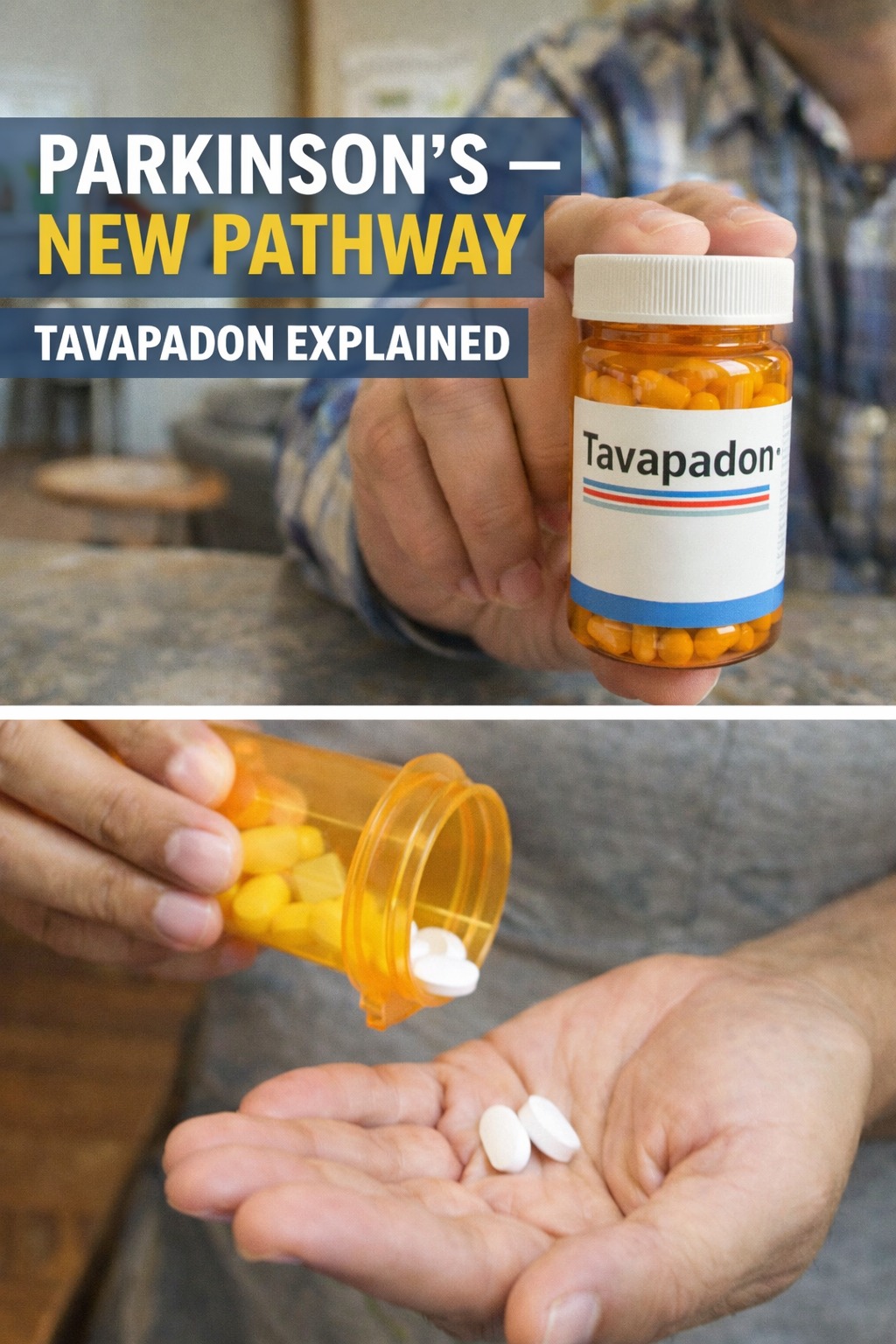
Who Might Benefit from Discussing Tavapadon?
Tavapadon has been studied in adults with early Parkinson’s as a starting option and in those with more advanced disease as an add-on to existing therapy. Because it is designed for once-daily use, it could appeal to people seeking simpler routines or those experiencing motor fluctuations.
Keep in mind that tavapadon is not yet approved by the FDA as of the latest updates. AbbVie submitted a New Drug Application in 2025, supported by the TEMPO program data. Review processes typically take several months, so timelines for availability depend on regulatory decisions.
Practical Steps You Can Take Today
While waiting for new options to become available, here are actionable ways to support your Parkinson’s management journey:
Track your symptoms daily using a simple journal or app. Note “on” and “off” periods, medication timing, and how you feel after meals or activity. Share this with your neurologist at every visit.
Review your current medication schedule with your healthcare provider. Ask about ways to optimize timing or combinations that minimize fluctuations.
Incorporate gentle movement into your routine, such as short walks, stretching, or balance exercises recommended by a physical therapist. Even 10–15 minutes daily can help maintain mobility.
Stay connected with support resources like the Michael J. Fox Foundation or American Parkinson Disease Association for the latest updates on emerging therapies.
Prepare questions for your next appointment, such as: “How might new medications like selective dopamine agonists fit into my plan?” or “What lifestyle adjustments could complement my current treatment?”
These small habits build confidence and help you feel more in control while science continues to advance.
What the Future May Hold
The development of tavapadon reflects a broader shift toward more precise dopamine modulation. By focusing on the D1/D5 pathway, researchers hope to deliver meaningful motor support with a dosing convenience that fits real life. As data from ongoing studies like TEMPO-4 emerge, the picture will become even clearer.
For many people living with Parkinson’s, this kind of targeted approach represents hope for better daily experiences without adding complexity.
Frequently Asked Questions
How does tavapadon differ from other Parkinson’s medications? It selectively targets D1 and D5 dopamine receptors as a partial agonist, unlike many current agonists that focus more on D2 and D3 receptors. This difference in mechanism is being studied for its potential impact on symptom control and side effect profiles.